Shoulder & overhead
Overhead pain usually starts below the shoulder. We assess the whole chain.
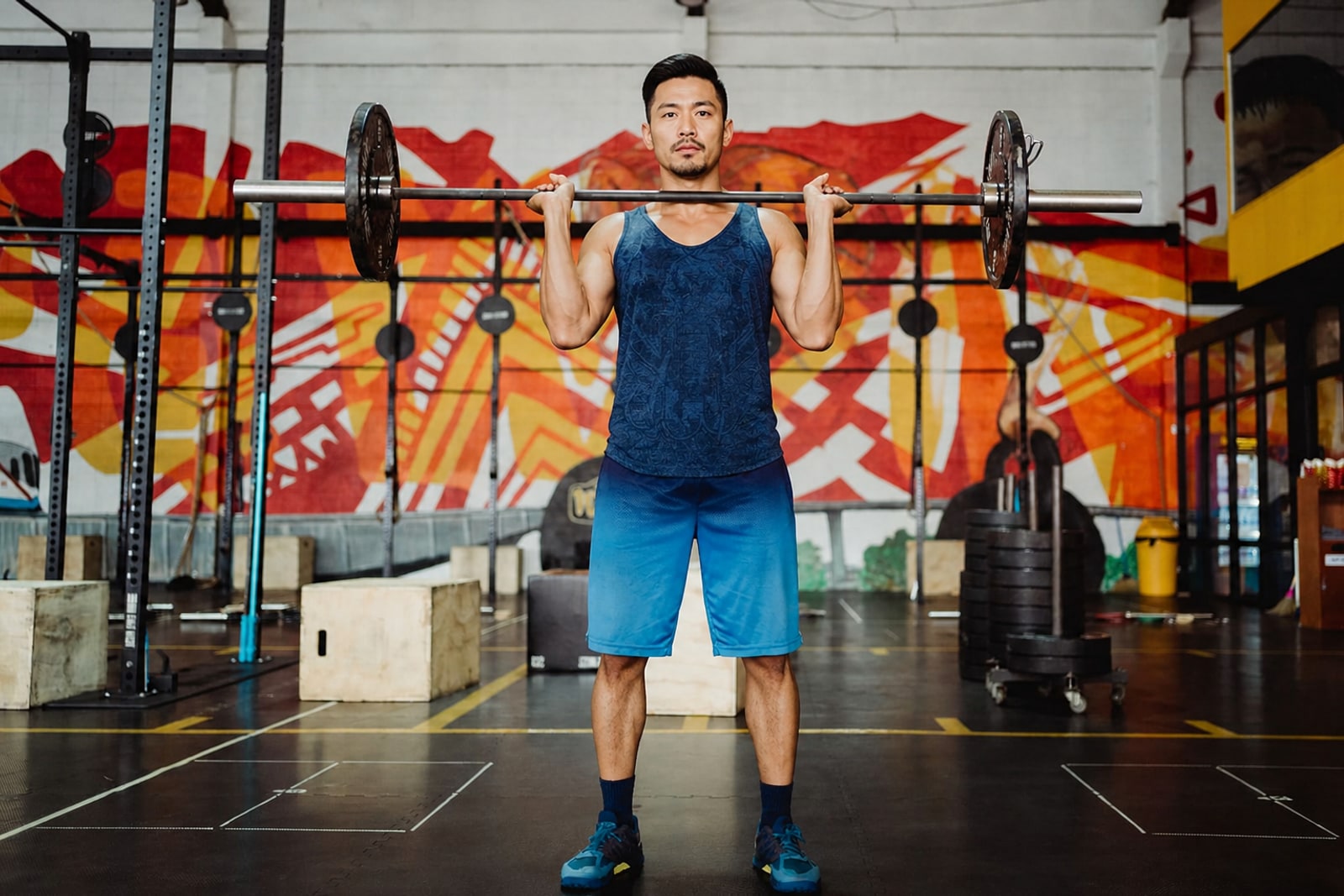
Overhead sport is a whole-chain demand. When the thoracic spine will not extend and the hips will not rotate, the shoulder makes up the range, and the shoulder is the joint least able to afford it. That is why a painful shoulder so often tests clean and the segments below it do not.
c-03 / in your words
Does this sound like your shoulder?
- 01A catch or pinch in the top third of a press or a reach
- 02Velocity or distance dropping before the pain ever showed up
- 03Sleeping on that side wakes you
- 04It eased with rest and came straight back at the same volume
c-03 / how it is worked
The overhead protocol
phase 01 / clear
Test the chain below the shoulder first
Thoracic extension and rotation, hip rotation, scapular control, then the shoulder. In overhead athletes the painful joint is often the only one testing clean, and treating it in isolation is why the pain comes back at the same volume.
phase 02 / restore
Open the rotation the sport is asking for
Manual work to the joint and the tissue that is limiting rotation, measured in degrees before and after, so the follow-up either shows a change or it does not. Extremity adjusting and soft tissue work here, not a general shoulder rub.
phase 03 / load
Earn the volume back rather than resting into it
Progressive loading through the range we just restored, then throwing or pressing volume added back on a schedule you can see. Throwers and overhead lifters usually re-screen before the next season rather than at discharge.
what we test first
Internal and external rotation measured at the shoulder, thoracic extension and rotation, scapular control, and hip rotation on both sides. Numbers in degrees, so the follow-up either shows a change or it does not.
how many visits
Four to six visits alongside a corrective block. Throwers and overhead lifters usually re-screen before the next season rather than at discharge.
when this is not ours
A shoulder that cannot be actively lifted at all after a fall, or one with a visible deformity, goes for imaging and an orthopedic opinion first.